
Our Framework for Change
The DFW Context: Powering a Global Engine
The Dallas-Fort Worth Metroplex stands as a primary driver of the global economy. As the crown jewel of a state that leads the nation in energy production, technology, and exports, our region possesses an unrivaled momentum. Since 2019, local real GDP has surged by over 16%, compared with the US real GDP, which grew by 9.5% over the same period, underscoring the economic power of North Texas.
This trajectory of success is matched by a rapidly expanding population. By 2030, the Metroplex is expected to reach over 9 million residents. Our community serves as a global hub for finance and logistics, home to the world's third-busiest airport. However, this extraordinary growth brings a profound responsibility to the families and neighborhoods that form the backbone of our workforce.
While Texas is a top producer of wind and solar energy, it remains the country's largest energy consumer. Rapid development often exerts the greatest pressure on marginalized communities, where rising utility and housing costs can outpace economic gains. Green+ operates at this critical intersection. We believe that a region capable of such immense economic achievement is also well-positioned to lead a just energy transition.
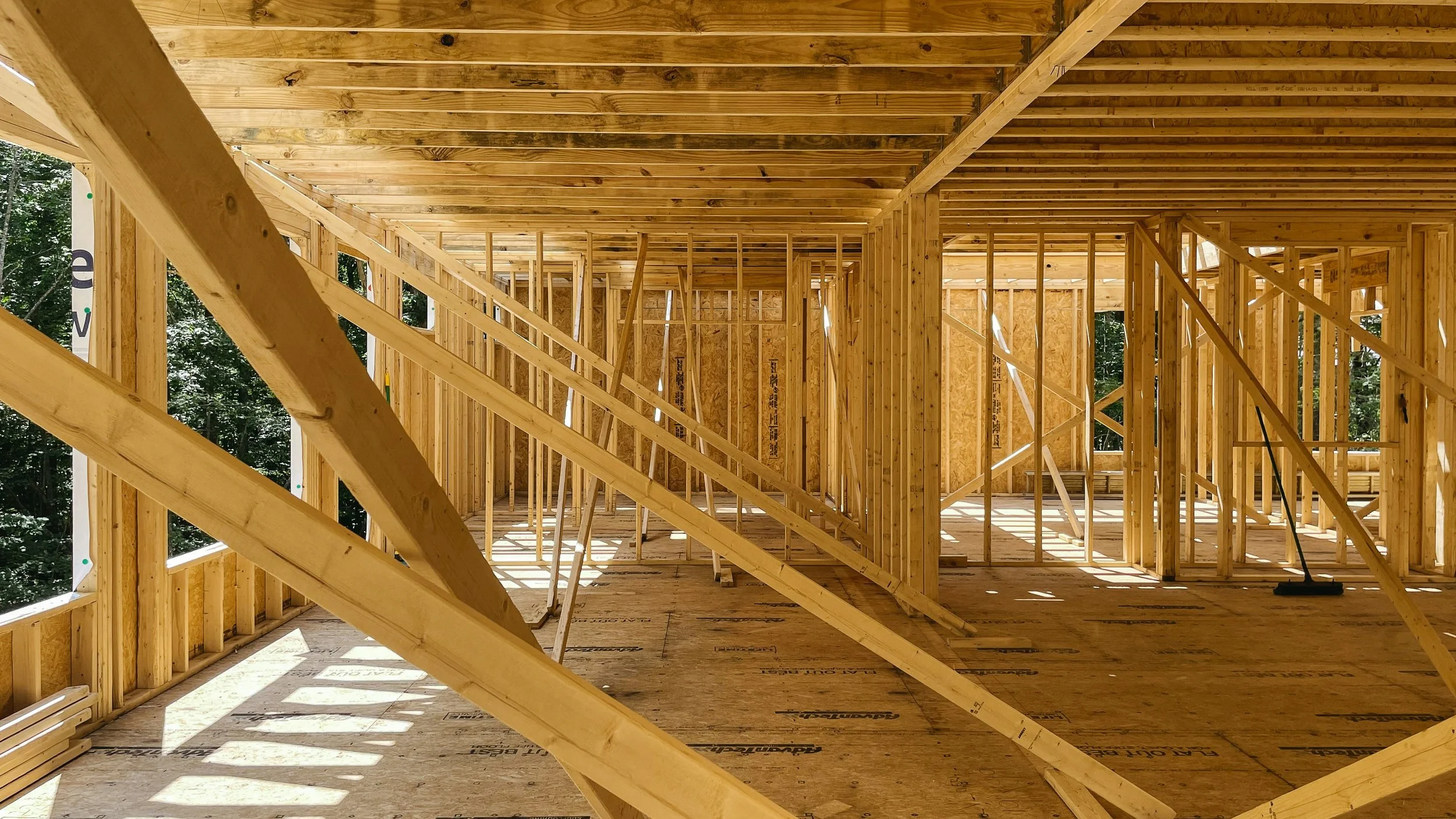
By leveraging the stable and pro-business environment of North Texas, we ensure that modern sustainability practices reach every zip code. We work to transform the built environment so that high-performance housing and clean energy become the standard rather than the exception. Our mission is to ensure that the economic resilience of the DFW Metroplex translates into lasting stability and health for every generation.
Addressing the Sustainability Gap
While the Dallas-Fort Worth Metroplex enjoys a historic economic surge, this prosperity is widening the sustainability gap for our most vulnerable neighbors. Rapid growth often masks the persistent challenges of poverty and environmental injustice that remain embedded in our urban centers. In a region that leads the country in energy production, many residents are being left behind in a cycle of high costs and health risks.
The Human Reality of Growth
The extraordinary wealth of the DFW area exists alongside significant social hurdles. Despite our regional GDP outpacing the national average, the poverty rate in the DFW Metroplex remains over 10%. This economic strain is felt most acutely by families struggling with high housing costs and energy burdens that prevent them from sharing in our region's stability.
Environmental Health in Our Backyard
Growth has also brought environmental consequences that disproportionately impact marginalized communities. DFW ranked as the 10th-worst metro area in the U.S. for ozone pollution in 2024, primarily due to transportation and industrial processes. Residents in these areas often face higher exposure to the "Urban Heat Island" effect, where a lack of green infrastructure and inefficient housing lead to dangerous temperature spikes and increased respiratory risks.
The Need for a Just Transition
The disparity in access to clean, efficient energy perpetuates a cycle of inequality. Low- to moderate-income households represent nearly half of our population, yet they face significant financial barriers to accessing energy-efficient technologies that could lower their bills and improve their health. Green+ believes that the clean energy transition must be a just transition, ensuring that the benefits of our state's vast energy resources reach every household regardless of income.
We are here to bridge this gap, ensuring that as North Texas grows, we build a future that is healthy, equitable, and resilient for everyone.
Our Approach: An Integrated Model for Change
At Green+, we recognize that the challenges facing North Texas are interconnected, which means our solutions must be as well. We do not simply advocate for better buildings; we work to fundamentally shift the systems that create them.
Knowledge as a Catalyst: Education and Training
True transformation begins with a shared language of sustainability. We provide the regional community development industry with the technical expertise needed to transition from traditional affordable housing to high-performance green building. Through our specialized training series, we equip local leaders, developers, and advocates with the practical tools to navigate the clean energy economy and implement sustainable business models that stand the test of time.
Shaping the Blueprint: Community Planning
Resilience is a product of intentional design. We work alongside community-based organizations to integrate environmental health and social equity into the very fabric of local neighborhoods. By centering sustainability in the planning process, we ensure that new developments reduce carbon footprints while simultaneously improving public health and increasing local property values.
